
• Home
  • Blog
  • Video
    • UNSW
    • CDC
    • FHI 360
    • TOTO Bangladesh
  • Photos
  • Work
    • Cancer Council NSW
    • The Thing About Cancer Podcast
    • UNSW
    • FHI360
    • CDC
    • CDC Blog
    • Blue Dragon
    • TOTO
    • Oxfam
    • Media Releases
  • Portfolio
  • About me

Kubi

  • Home
  • Blog
  • Video
    • UNSW
    • CDC
    • FHI 360
    • TOTO Bangladesh
  • Photos
  • Work
    • Cancer Council NSW
    • The Thing About Cancer Podcast
    • UNSW
    • FHI360
    • CDC
    • CDC Blog
    • Blue Dragon
    • TOTO
    • Oxfam
    • Media Releases
  • Portfolio
  • About me
  • Menu

Gentle exercises to help you recover after breast cancer surgery

February 12, 2026

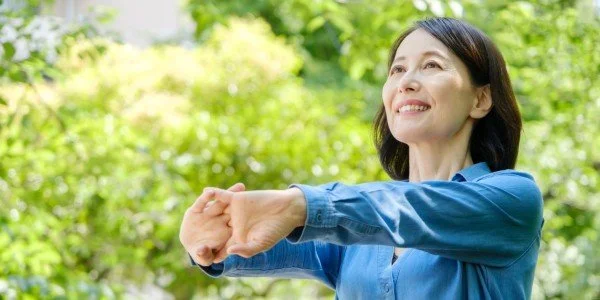
Recovering from breast cancer surgery can feel like a big journey, but taking small, gentle steps can help. Simple movements done at your own pace can ease stiffness, support healing, and help you feel more comfortable in your body again.

Cancer Council NSW has put together easy-to-follow arm and shoulder exercise guides for people recovering from breast cancer surgery. They walk you through each stage of recovery with clear instructions and reassuring guidance, so you never feel alone or unsure about what to do next.

Start with the essentials

We explain why these exercises matter, what you can expect as you begin moving again, and how to exercise safely and comfortably after surgery.

Level One: Gentle movement for your first week

This level includes simple exercises designed to get you moving again. Unless your healthcare team advises otherwise, these exercises are gentle enough to start the day after your surgery. These stretches help improve circulation, reduce stiffness, and ease you into regular movement without pushing too hard.

Learn more

Level Two: When you’re ready, build strength and confidence

After the first week – or once your doctor gives the okay – you can step up to Level Two. These exercises gently expand your range of movement and help you rebuild strength as you continue to heal.

Learn more

Your recovery, your pace 

Everybody is different, and there’s no “right” speed to move through recovery. These guides are designed to support you gently, safely, and confidently – wherever you’re at.

Whether you’re recovering yourself or supporting someone you care about, these practical, evidence‑based resources offer a comforting place to start. Recovery begins with small steps, and you don’t have to take them alone.

See original story
← How the lymphatic system works – and why it matters in lymphoma New website resource helps health professionals support cancer patients →

Pop culture stop

Source

Source

Like everyone else, I know how this movie ends.

And it's just really gross. But kind of cool too.

It's based on a guy called Aron Ralston, a young adrenalin junkie who goes canyoning in the wilds of Utah, solo - without telling a soul. 

Spoiler alert: early on in the film Aron, played by James Franco, dislodges a boulder, plunges down a crevice, and gets pinned by the same rock.

And that rock ain't going nowhere, no-how.

Directed by Danny Boyle of Shallow Grave, Trainspotting and Slumdog Millionaire fame, the film is based on Ralston's book Between a Rock and a Hard Place.

A title that sums up his gory tale, and the movie's story arc.

Boyle is awesome at branding his films with powerful imagery geared towards a hyperactive media-crazed instant gratification audience.

From the kick-off the movie goes full-throttle as Aron recklessly sets off on his adventure: hurtling down the highway in a beat up car while his headphones blast pulsing beats.

“Boyle has a real knack for branding his films with powerful imagery geared towards a hyperactive media-crazed instant gratification audience.”

Within the same heartbeat he's on his mountain bike as the stunningly bleak mars-like Utah landscape flashes by.

He meets some babes. Shows them an subterranean lake only accessible by slipping down a groin-tinglingly narrow rift. Then he's off, pumped on nature, fresh air and the rush of living life to its fullest...

Then Aron slips. He's now trapped.

Frozen in time and space by nature: the drug that has always pushed him to dizzying heights.

Camera zooms on Aron's stunned face and the Movie title appears for the first time: 127 Hours.

Brake is applied heavily now for momentum-loving viewers - or is it?

Sometimes this film was hard to watch (and for a few nerve-snapping moments - unbearable).

Franco does great credit to Aron's gritty determination, and Boyle doesn't rely on sentimentality or melodrama.

It's like a companion piece to Sean Penn's Into the Wild, but thankfully here the hero survives.

Like Into the Wild's care-free hero, for Aron it's the people in his life, and the premonition of his future son, which gives him the courage and down-right ballsy-ness to, literally, disarm himself to break free.

So yeah - he gruesomely and noisily hacks off his own limb. But as he's scrambles out of the crevasse, one arm down, he looks back at the rock and says 'Thank you'.

Then he snaps a selfie of his dismembered hand with his membered hand.

Through the entire film Aron stays level-headed and never loses his great love of nature and even the very rock that so nearly entombed him.

This is a powerful film, and a tribute to the importance of human love and the brutal and unforgiving beauty of the wild.

“Through the entire film Aron stays level-headed and never loses his great love of nature and even the very rock that so nearly entombed him. ”