
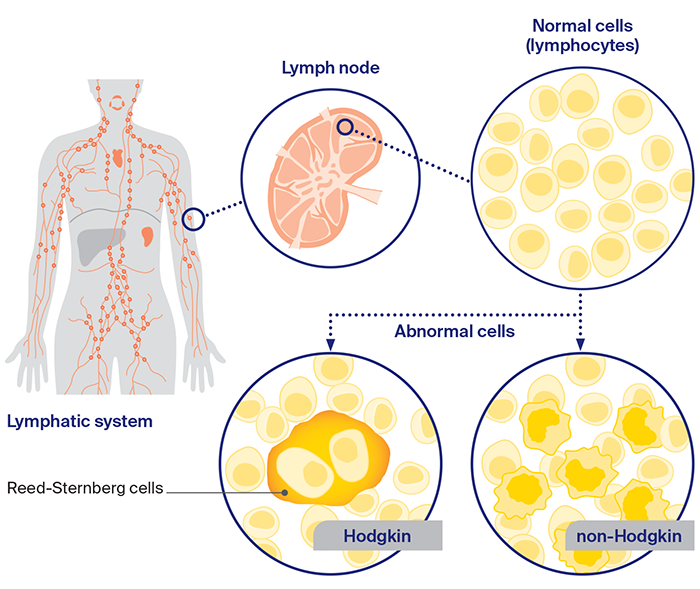
You may not think about your lymphatic system very often, but it’s working for you every second of the day. It’s one of the body’s unsung heroes – a quiet, sprawling network that helps protect you from infection, clears away waste, and keeps your immune system running smoothly.
How the lymphatic system works
The lymphatic system is made up of thin tubes (lymph vessels), small filters (lymph nodes), and organs like the spleen, thymus, tonsils and bone marrow. Together, they act like a support crew for your immune system.
Lymph fluid flows through tiny lymph vessels, picking up extra fluid, nutrients and waste products from around your tissues.
As this fluid moves along, it passes through lymph nodes – small, bean‑shaped structures that filter out bacteria, viruses and damaged cells.
Organs such as the spleen, thymus, tonsils and bone marrow help make and “train” immune cells so they can recognise and fight germs.
You can think of the lymphatic system as a combination drainage, recycling and security network: it clears away what you don’t need, keeps track of potential threats, and helps send healthy immune cells where they’re needed most.
What this has to do with lymphoma
Lymphoma is a type of cancer that starts in the lymphatic system, specifically in certain white blood cells called lymphocytes. Normally, lymphocytes help you fight infections and keep you well. In lymphoma, some of these cells become abnormal and start growing out of control.
These abnormal lymphocytes can:
Multiply quickly.
Build up in lymph nodes or other parts of the lymphatic system.
Form lumps or tumours that you might notice as swollen glands.
Because lymphatic tissue is spread throughout the body, lymphoma can begin in many places, such as the lymph nodes in your neck, underarms, chest, abdomen (belly) or groin. And since the lymphatic system is designed to transport immune cells from place to place, lymphoma cells can travel through it too, spreading to other lymph nodes or organs like the liver or lungs.
Hodgkin and non‑Hodgkin lymphoma
Lymphoma isn’t just one disease – it’s an umbrella term for many related cancers.
There are two broad groups:
Hodgkin lymphoma: This type is defined by the presence of a distinctive abnormal cell called a Reed–Sternberg cell when the tissue is looked at under a microscope.
Non‑Hodgkin lymphoma: This is a larger, more varied group of lymphomas that develop from B cells or T cells (two main types of lymphocytes) and can behave in many different ways, from very slow‑growing to very fast‑growing.
Both Hodgkin and non‑Hodgkin lymphomas are considered blood cancers (also called haematological cancers) because they begin in lymphocytes, which are white blood cells that circulate and work within your immune system.
A system built for protection
In a healthy body, lymph nodes act like security checkpoints. They:
Filter out harmful substances.
Help coordinate immune cells to fight off infections.
In lymphoma, those same checkpoints become places where cancer takes hold. Instead of trapping abnormal cells and clearing them away, the cancerous lymphocytes continue to grow and pile up inside the nodes. The very system designed to defend you becomes the place where the problem starts.
Why understanding the lymphatic system matters
Knowing how the lymphatic system works can help you make sense of lymphoma:
Symptoms like painless swollen lymph nodes often appear where lymphoma cells are collecting.
Lymphoma can affect many parts of the body because lymphatic tissue is widespread and connected.
Doctors use information about where lymphoma is found in the lymphatic system – and whether it has spread – to diagnose, stage and choose the most appropriate treatment.
The lymphatic system sits at the heart of your immune health. When lymphoma affects it, getting clear information, good support and the right medical care can make a real difference to how you feel and how you navigate treatment.